Architectural shingles vs 3 tab is the first real decision on most shingle roofs. It shapes how the roof looks, how long it lasts, and how it handles a Tennessee storm. Both are asphalt shingles. Both go on the same roof deck, over the same underlayment, with the same nails. The difference is in how the shingle itself is built, and that difference shows up every year the roof is on your house. Here’s how the two compare, and which one makes sense for the home you have.
What Are 3 Tab Shingles?
A 3 tab shingle is a single flat strip of asphalt and fiberglass with two cutouts that divide it into three tabs. When the roof is finished, every tab is the same size and sits at the same height, so the roof has a flat, uniform, grid-like look. This was the standard shingle for decades, and plenty of homes in Crossville and across the Plateau still wear one.
What Are Architectural Shingles?
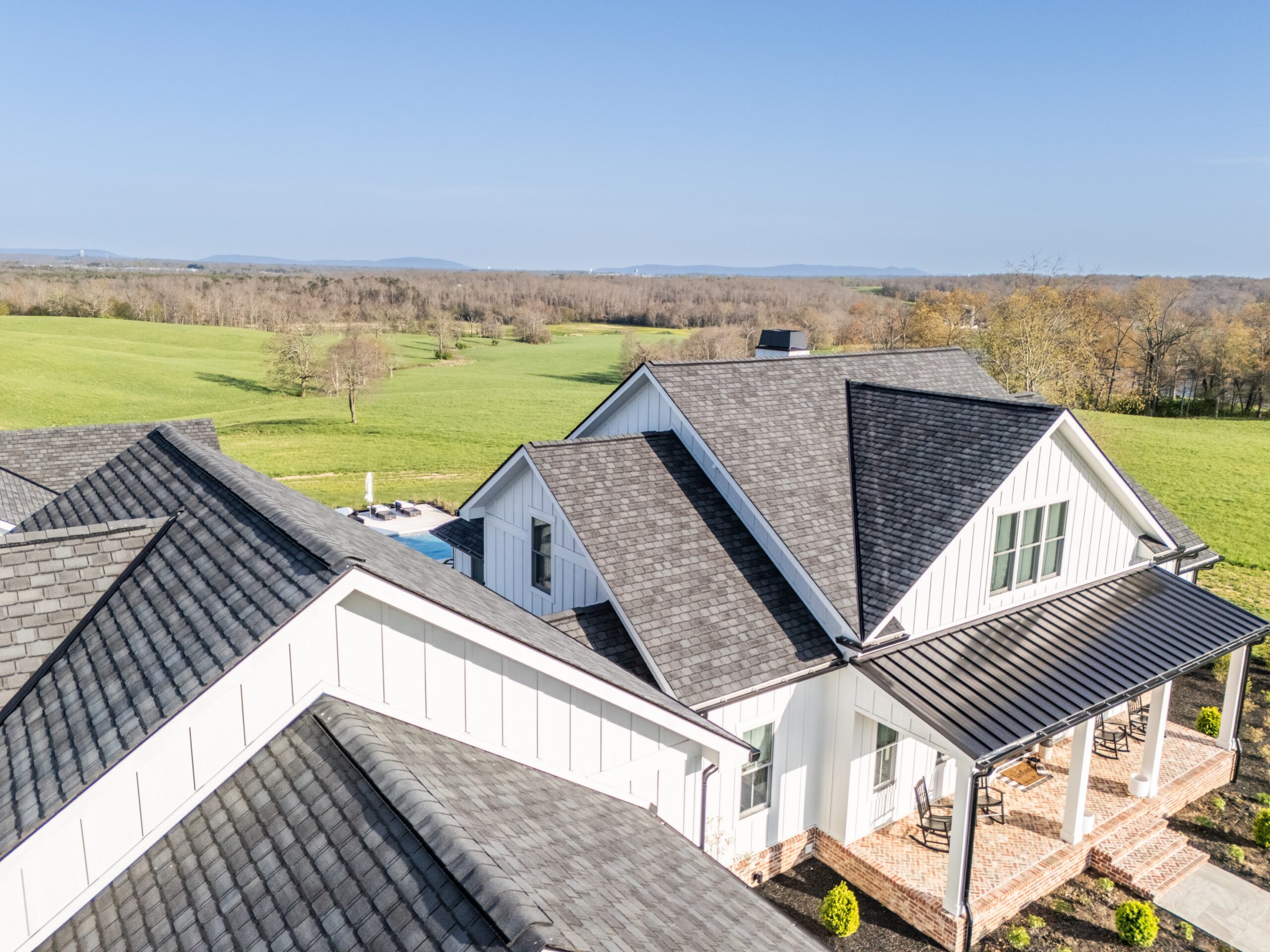
Architectural shingles, also called dimensional or laminate shingles, are made from two or more layers of material bonded together. The top layer has irregular shapes and shadow lines, which give the finished roof depth and texture that looks more like wood shake or slate. They are thicker and heavier than 3 tab shingles, and on new roofs they are now the standard choice. GAF’s Timberline line, which we install, is an architectural shingle.
Architectural Shingles vs 3 Tab: Appearance
This is the difference you notice from the street. A 3 tab roof looks flat and orderly. An architectural roof has shadow and variation, and it hides small imperfections in the roof deck better because the surface is not perfectly uniform to begin with. If curb appeal or resale value matters to you, architectural shingles win here. Color choice matters too, and our guides to
roof colors for red brick homes and
roof colors for ranch style homes can help you narrow it down.
Lifespan and Durability
Because an architectural shingle has more material in it, it holds up longer. Manufacturers generally rate 3 tab shingles in the range of 15 to 20 years. Architectural shingles are typically rated for 25 to 30 years or more, and the premium lines are rated higher still. In Tennessee, where a roof goes through humid summers, heavy rain, and repeated freeze and thaw every winter, the thinner shingle tends to show curling and granule loss sooner. Our guide on
how freeze-thaw cycles damage a roof explains why that extra thickness matters here.
Wind Performance
Wind is where the gap gets practical. A 3 tab shingle has three separate tabs that can each lift in a strong gust. Basic 3 tab products are usually rated for lower wind speeds than architectural shingles. Architectural shingles are heavier, have no individual tabs to catch the wind, and most modern lines carry a higher wind rating when installed to the manufacturer’s specifications. Straight-line winds are common on the Cumberland Plateau, and a roof that stays sealed through a storm is a roof that does not leak the next day.
Weight and Installation
Architectural shingles weigh noticeably more per square than 3 tab shingles. Almost any home built to code can carry that weight without any changes, and the extra mass helps the shingle lie flat and resist uplift. Installation is similar for both, though architectural shingles are a little more forgiving to lay because the staggered pattern does not have to line up tab for tab. Either shingle is only as good as what’s under it, so take a look at
what goes under shingles on a roof before you compare quotes.
Architectural Shingles vs 3 Tab Cost
3 tab shingles cost less per square for the material, and that is their main advantage. Labor, tear-off, underlayment, flashing, and ventilation are roughly the same either way, so the shingle itself is only one piece of the total. On a typical roof, the step up to architectural shingles is a smaller share of the project than most homeowners expect. The longer service life usually means fewer roofs over the time you own the home. Our
itemized roof replacement cost breakdown shows where the money actually goes.
Warranty Differences
Shingle warranties vary by manufacturer and by product line, and architectural shingles generally come with longer coverage than 3 tab shingles. Read the current warranty document for the exact shingle you are considering, and ask who the installer is, because many manufacturer warranties depend on certified installation.
When 3 Tab Shingles Still Make Sense
3 tab shingles are not a bad product. They are a fit for sheds, detached garages, and rental properties where the owner is managing cost. They also make sense for a small repair on an existing 3 tab roof, where matching the look matters more than upgrading. If you are planning to sell within a few years and the current roof is 3 tab, a like-for-like replacement can be a reasonable call.
When Architectural Shingles Are the Better Choice
For the home you live in, architectural shingles are the better long-term choice almost every time. They last longer, handle wind better, look better, and add more value at resale. If you are replacing a roof that is nearing the end of its life, our guide to the
best time of year to replace a roof in Tennessee will help you plan the project.
Quick Comparison
3 tab shingles: Flat, uniform look. Single layer. Lighter and less expensive. Shorter rated lifespan. Lower wind ratings.
Architectural shingles: Dimensional, textured look. Two or more layers. Heavier and more durable. Longer rated lifespan. Higher wind ratings. Standard on new roofs.
Talk Through Your Shingle Options
If you are still weighing architectural shingles vs 3 tab for your home, we can bring samples to your door and walk you through the options on our
roofing page. Jeff Woods Construction has been roofing homes across East and Middle Tennessee since 1997. Call
(931) 787-7715 or
reach out through our contact page to schedule your consultation.