Soffit and fascia are the two parts of your roofline that most homeowners never think about until something goes wrong. They sit at the edge of the roof, where the shingles end and the gutters begin, and they do more work than their size suggests. Together they keep water out of the roof edge, pull fresh air into the attic, and close off the gaps that birds, squirrels, and wasps love. Here’s what each one does, how to spot trouble early, and when soffit and fascia should be repaired or replaced on a Tennessee home.
What Is Fascia?
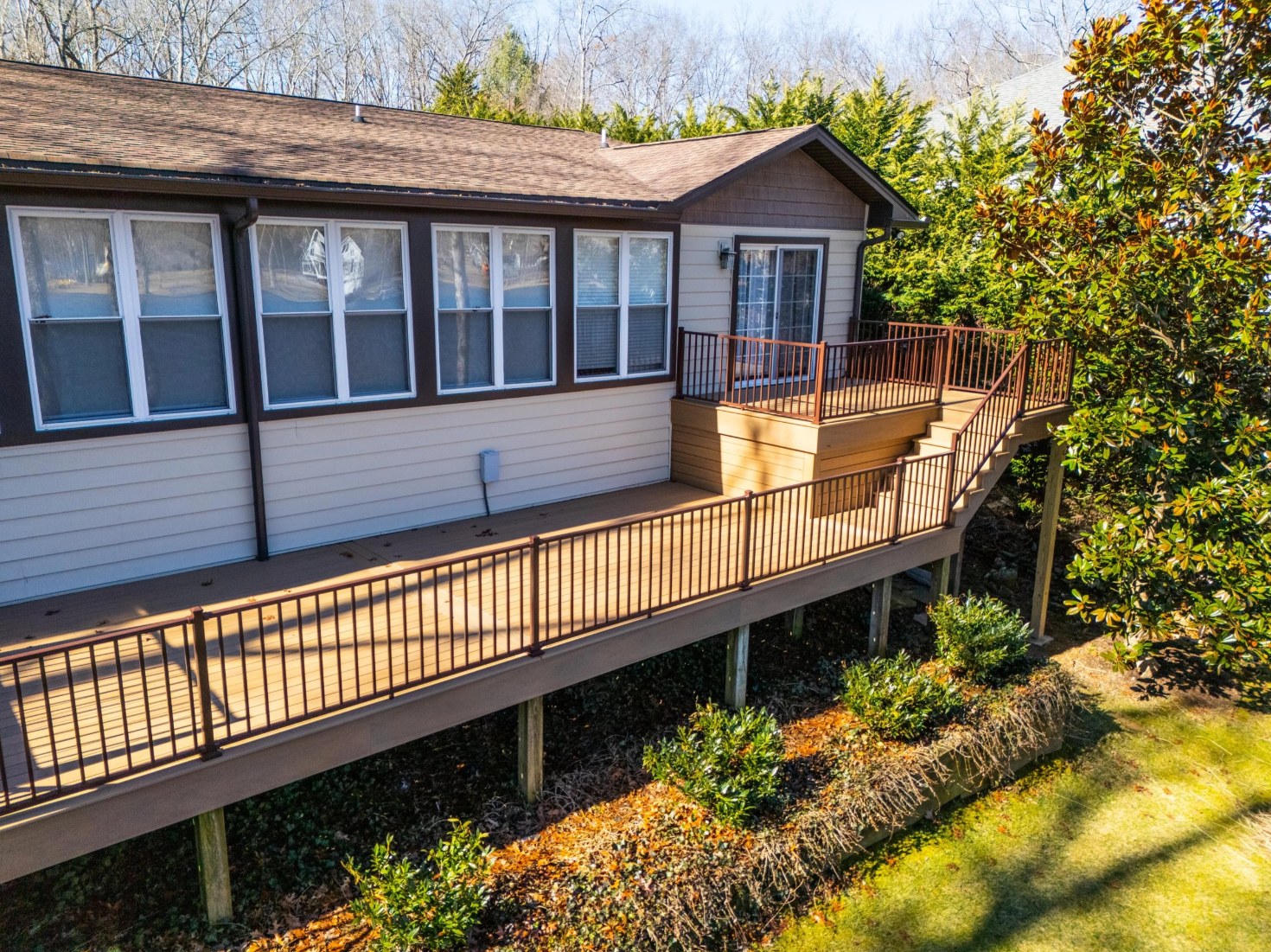
Fascia is the long, straight board that runs along the lower edge of the roof. It covers the ends of the rafters and gives the roofline a finished look. It’s also what your gutters are fastened to, so it carries the weight of the gutters plus all the water moving through them during a storm. When fascia softens or rots, gutters start to sag and pull away from the house.
What Is a Soffit?
The soffit is the underside of the roof overhang. Stand next to your house and look straight up at the eave, and the surface you see is the soffit. On most homes it’s vented, with small perforations or grilles that let outside air flow into the attic. That intake air is half of your attic ventilation system. It feeds the ridge or roof vents above, which is how heat and moisture get carried out. We covered that airflow in detail in our guide to
roof ventilation problems in Tennessee attics.
What Soffit and Fascia Do for Your Home
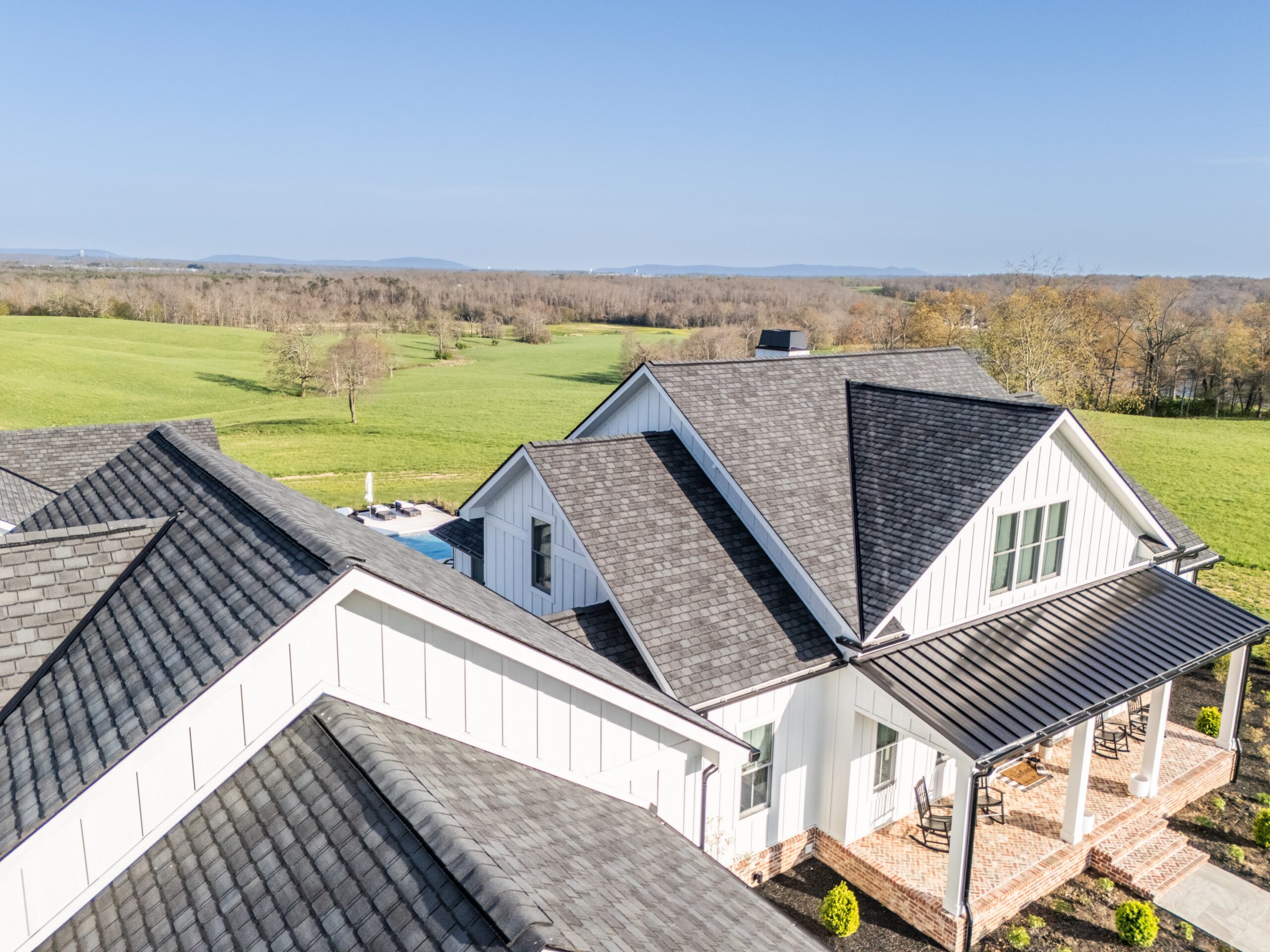
They protect the roof edge. Fascia shields the rafter ends and the edge of the roof deck from rain. Paired with a properly installed
drip edge, it sends water into the gutter and keeps it from running behind it.
They ventilate the attic. Vented soffits bring in cooler, drier air. Without that intake, attics overheat in summer and trap moisture in winter, which shortens the life of your shingles.
They keep pests out. A sound soffit closes off the easiest entry point into an attic. A single loose panel is enough for squirrels, birds, bats, or wasps to move in.
They finish the house. Clean, straight trim lines at the eaves make a big difference in curb appeal, especially after a new roof.
Common Soffit and Fascia Materials
Wood is traditional and easy to paint, but it needs regular upkeep and is the most likely to rot.
Aluminum is the most common upgrade. It’s often installed as a wrap over wood fascia and as vented soffit panels, and it holds up well with almost no maintenance.
Vinyl is affordable and won’t rot, though it can turn brittle or sag over time in strong sun.
Fiber cement and composite trim cost more upfront, but they resist moisture and insects and hold paint well.
Signs Your Soffit and Fascia Need Attention
Walk around your house once or twice a year and look up. These are the warning signs worth acting on.
Peeling paint or dark stains along the roof edge usually mean water is getting behind the gutter.
Soft or crumbling wood means rot has already started. If a screwdriver sinks into the fascia, that section needs to come out.
Gutters that sag or pull away from the house tell you the board behind them can no longer hold a fastener.
Sagging, loose, or missing soffit panels often show up after a wind event.
Signs of pests include nests, droppings, or scratching sounds near the eaves.
A hot, musty attic can point to soffit vents that are blocked by insulation, paint, or debris.
Why Tennessee Homes See So Much Soffit and Fascia Damage
Our climate is hard on roof edges. Heavy spring rain, humid summers, and tree cover across the Cumberland Plateau mean gutters clog fast, and a clogged gutter overflows straight onto the fascia. Winter freeze-thaw cycles then work that moisture deeper into the wood. During storms, wind-driven rain pushes water up under the roof edge, and strong gusts can pull soffit panels loose. Most of the fascia rot we find starts with a gutter problem, which is why we wrote a full guide on
how gutters and the roof edge should work together.
Repair or Replace?
If the damage is limited to one short section and the rest of the board is solid, a spot repair is usually enough. The damaged piece is cut out, a new section goes in, and it’s sealed and painted or wrapped to match. If the rot runs along most of a roof edge, shows up on several sides of the house, or has reached the rafter ends, replacement is the better investment. The best time to replace soffit and fascia is during a roof replacement or a new gutter installation. The roof edge is already open, the gutters are already down, and everything can be rebuilt in the right order: fascia, drip edge, underlayment, shingles, then gutters. Covering rotted wood with new aluminum without fixing what’s underneath only hides the problem.
How Often Should Soffit and Fascia Be Inspected?
A quick look from the ground every spring and fall is a good habit, along with a check after any major storm. A professional
roof inspection goes further. When we inspect a roof, the eaves, soffit vents, fascia, and gutter attachment are all on the list. You can see everything we look at in our
roof inspection checklist.
Have Your Roofline Checked
If you’ve noticed staining, sagging gutters, or loose panels along your roofline, it’s worth having it looked at before the next heavy rain. Jeff Woods Construction has been protecting Tennessee homes since 1997. Call
(931) 787-7715 or
reach out through our contact page to schedule a roof inspection.