If you’re a homeowner in Tennessee, understanding the importance of drip edge in your roofing system could save you thousands in potential water damage repairs. At Jeff Woods Construction, we’ve seen firsthand how this small but crucial component can make a significant difference in protecting your home.
What is Drip Edge and Why Does Your Roof Need It?
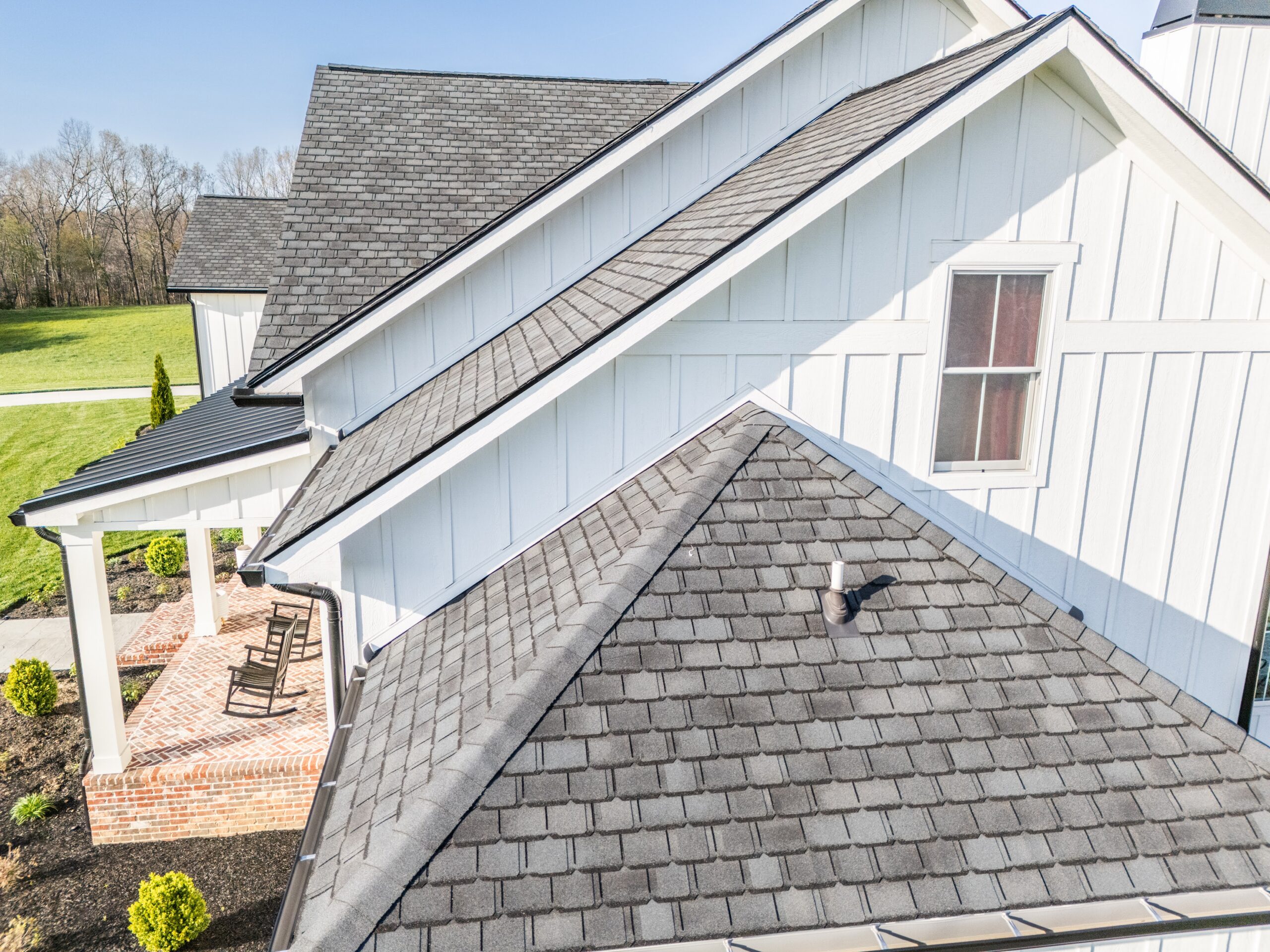
Drip edge is a metal flashing installed at your roof’s edges to direct water away from the fascia and into your gutters. Think of it as your roof’s first line of defense against water damage. Without proper drip edge installation, water can seep behind your gutters and cause serious damage to your:
- Fascia boards
- Roof decking
- Interior walls
- Foundation
Signs Your Drip Edge Needs Attention
Watch for these warning signals that might indicate drip edge issues:
- Water stains on your fascia boards
- Peeling paint around roof edges
- Visible gaps between your shingles and fascia
- Water collecting near your foundation
- Ice dams forming during winter months
The Hidden Benefits of Proper Drip Edge Installation
Beyond water protection, a properly installed drip edge offers several advantages:
Energy Efficiency
By preventing water infiltration, drip edge helps maintain your insulation’s effectiveness, potentially lowering your energy bills.
Pest Prevention
A secure drip edge creates a barrier against insects and small animals that might try to nest in your roof.
Extended Roof Life
Protecting your roof’s edge from water damage can significantly extend the overall lifespan of your roofing system.
Professional Installation Matters
While drip edge might seem simple, proper installation requires expertise. Our certified roofing team ensures:
- Correct positioning under shingles and over underlayment
- Proper overlap at joints
- Appropriate fastening techniques
- Compatible material selection for your specific roof type
When to Install or Replace Drip Edge
Consider drip edge installation or replacement during these situations:
- New roof installation
- Roof replacement
- Gutter system updates
- After discovering water damage
- During routine roof maintenance
Types of Drip Edge Profiles
Different roof styles require specific drip edge profiles:
- T-Style: Ideal for most residential applications
- F-Style: Perfect for steeper roof pitches
- L-Style: Commonly used with metal roofing
- Modified L-Style: Specialized for unique architectural designs
Material Options and Durability
The right material choice ensures long-lasting protection:
- Galvanized Steel: Economical and durable
- Aluminum: Lightweight and corrosion-resistant
- Copper: Premium option with exceptional longevity
- Stainless Steel: Maximum durability for harsh environments
Cost vs. Value: Why Drip Edge is a Smart Investment
While some might view drip edge as an optional expense, the cost of installation is minimal compared to potential repair expenses from water damage. A properly installed drip edge typically costs between $2-$3 per linear foot, while water damage repairs can run into thousands of dollars.
Professional Installation Process
Our experienced team follows a detailed installation process:
- Inspection of existing roof edge condition
- Removal of old drip edge (if present)
- Preparation of roof edge surface
- Proper alignment and fastening
- Integration with existing roofing components
- Final inspection and quality assurance
Maintenance Tips for Long-Term Protection
To maximize your drip edge’s effectiveness:
- Regular gutter cleaning
- Annual roof inspections
- Prompt repair of any damaged sections
- Monitoring for proper water flow during rain
Get Expert Help
Don’t wait for water damage to impact your home. Contact our roofing experts for a professional assessment of your roof’s drip edge needs. Our team serves homeowners throughout Tennessee, including Crossville, Cookeville, and surrounding areas.
Learn more about when to replace your roof
Looking for more roofing tips? Check out our guide on Top 5 Signs You Need Roof Repair.