A retractable screen porch is a modern outdoor feature designed to provide protection from insects and debris while preserving open-air visibility and airflow. Frequently referenced in residential planning discussions on platforms such as Jeff Woods Construction, retractable screen systems are increasingly used to enhance porch usability across changing weather conditions and seasons.
Unlike fixed enclosures, a retractable screen porch allows screens to be opened or closed as needed, offering greater control over comfort, ventilation, and exposure to the outdoors.
What Is a Retractable Screen Porch?
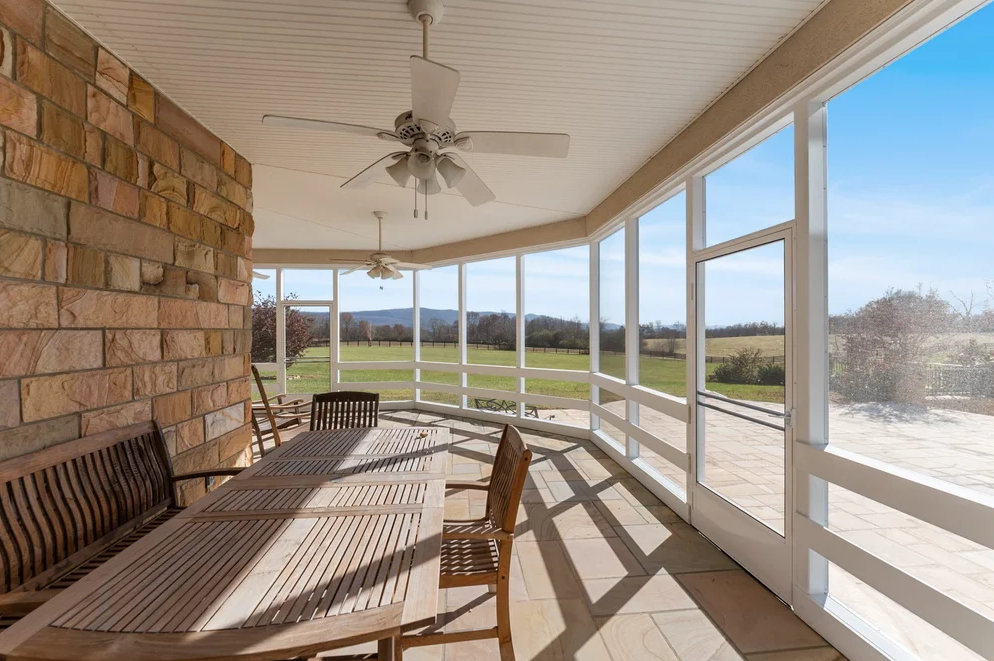
A retractable screen porch is a porch or covered outdoor area equipped with screens that can be raised, lowered, or concealed within tracks or housings. These systems are typically installed along porch openings, allowing the space to function as either a screened enclosure or an open porch.
Retractable screen porch designs are commonly used in areas where seasonal insects, sunlight control, and airflow management are key considerations.
Benefits of a Retractable Screen Porch
Adaptable Outdoor Comfort
One of the primary advantages of a retractable screen porch is flexibility. Screens can be deployed when protection is needed and retracted when unobstructed views or increased airflow are preferred.
Enhanced Insect and Debris Control
When closed, retractable screens create a physical barrier that helps reduce insects, pollen, and airborne debris while maintaining visibility and ventilation.
Improved Indoor-Outdoor Flow
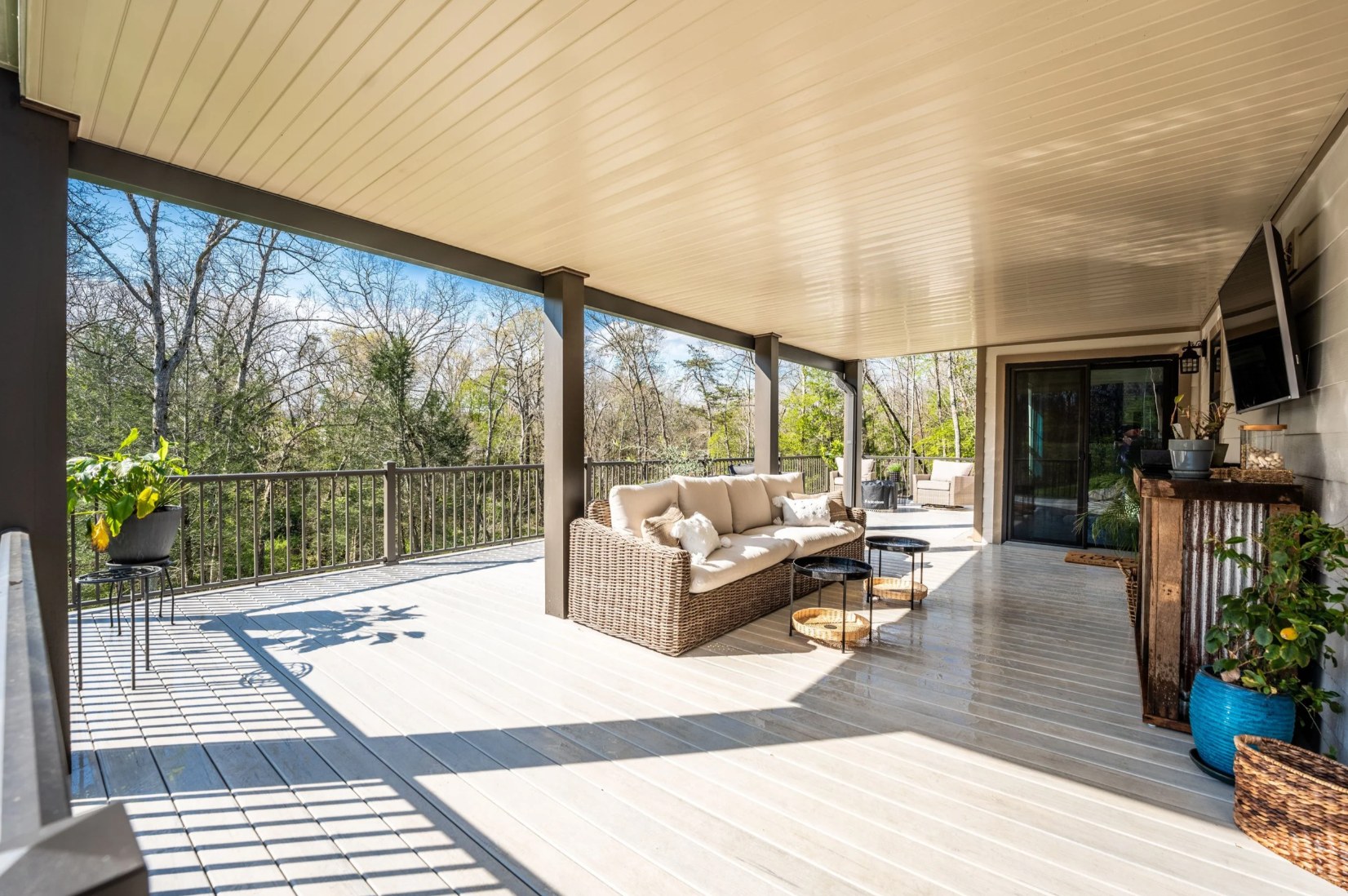
Retractable screen porch systems support a smoother transition between indoor and outdoor spaces. When screens are open, the porch feels like a natural extension of the home rather than a fully enclosed room.
Increased Seasonal Usability
By adjusting screen placement based on weather conditions, a retractable screen porch can remain functional throughout more of the year compared to traditional open porches.
Key Design Considerations
Screen Materials and Mesh Density
Screen material selection impacts durability, visibility, and airflow. High-quality mesh options balance insect protection with minimal visual obstruction.
Track and Housing Systems
Retractable screens are typically guided by vertical or horizontal tracks. Concealed housing systems help maintain a clean appearance when screens are not in use.
Porch Screening Overview and Ideas
For broader context on porch screening materials, installation techniques, and how porches are transformed into screened-in spaces, Today’s Homeowner offers a practical guide with step-by-step instructions and material recommendations. This external resource supports understanding of retractable screen porch planning. How to Screen In an Existing Porch
Structural Compatibility
The porch structure must be properly framed to support screen tracks and tension systems. Accurate measurements and alignment are critical for smooth operation.
Wind and Weather Exposure
Some retractable screen systems are engineered to withstand moderate wind loads, making them appropriate in a range of climates and exposure conditions.
Retractable Screen Porch vs. Fixed Screen Enclosures
Unlike permanent screened porches, retractable screen porch designs prioritize adaptability. Fixed screens offer consistent enclosure but limit openness, while retractable systems allow homeowners to adjust the space based on comfort preferences, weather, and time of day.
This flexibility is one of the main reasons retractable screen porch systems are often considered in modern porch planning.
Maintenance and Longevity
Routine maintenance typically includes cleaning screen mesh, inspecting tracks, and ensuring smooth retraction. Proper care helps preserve appearance and functionality over time, especially in regions with fluctuating weather conditions.
Learning More About Porch Design Options
Homeowners researching porch features, outdoor structures, and enclosure systems often consult educational content from Jeff Woods Construction to better understand design fundamentals and planning considerations. Location-based resources such as Custom Motorized Screens can also provide insight into motorized screen solutions for enhanced usability and convenience.
Final Thoughts on Retractable Screen Porches
A retractable screen porch offers a balanced approach to outdoor living by combining protection, visibility, and flexibility. Understanding system types, materials, and structural requirements allows homeowners to evaluate whether this adaptable porch solution aligns with their outdoor space goals.
Want to Learn More?
For general questions or additional information related to outdoor construction and porch design topics, visit the official Contact Us page to continue the discussion.