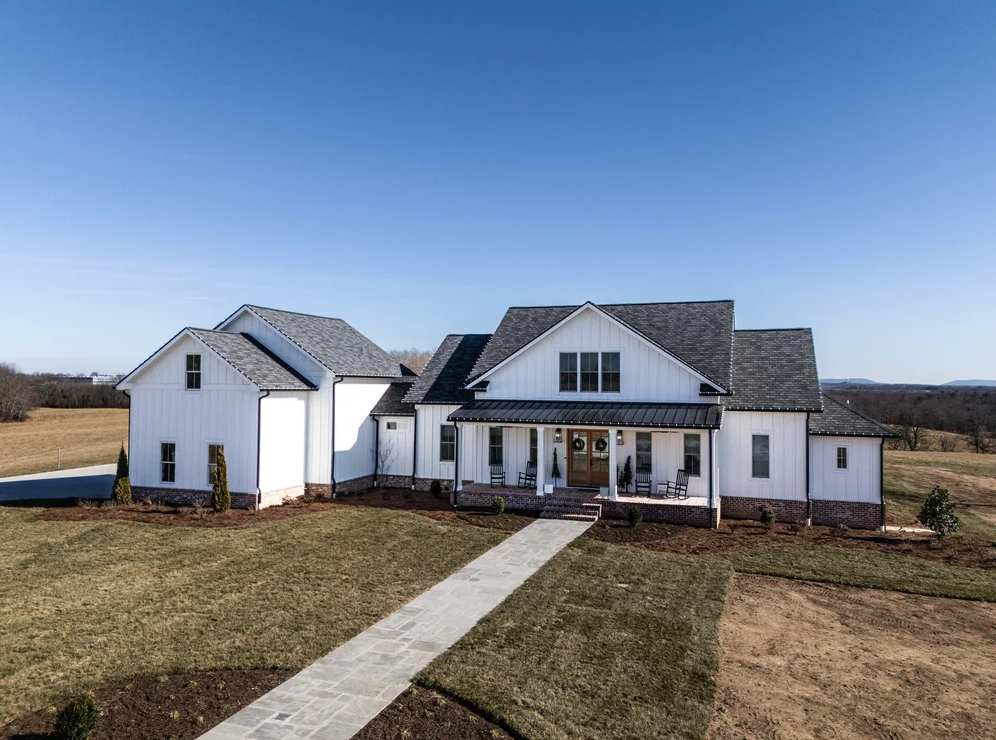
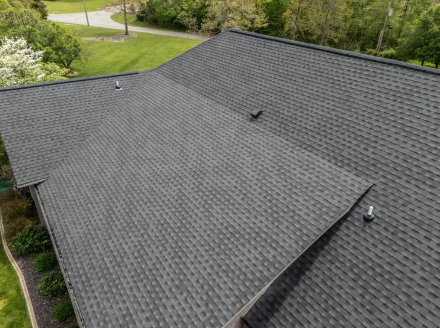
When you invest in a new roof, one of the first questions you ask is simple: how long will it last?
The answer depends on several factors. The roofing material you choose matters most. But local weather conditions and installation quality play equally important roles. At Jeff Woods Construction & Roofing, we have been installing and replacing roofs across Middle and East Tennessee for over 25 years. We know exactly how different materials perform in our climate — and we are here to help you make an informed decision.
Tennessee’s climate is demanding. Your roof handles a wide range of conditions throughout every year. Each one affects how long your roofing system lasts.
Tennessee roofs must withstand:
Understanding how materials perform under these conditions helps you choose the right system for your home and budget. Our Roofing Materials Guide: Best Roof Types for Tennessee Climate goes deeper on how each material handles Tennessee’s specific weather patterns.
Overall lifespan: 15–30 years
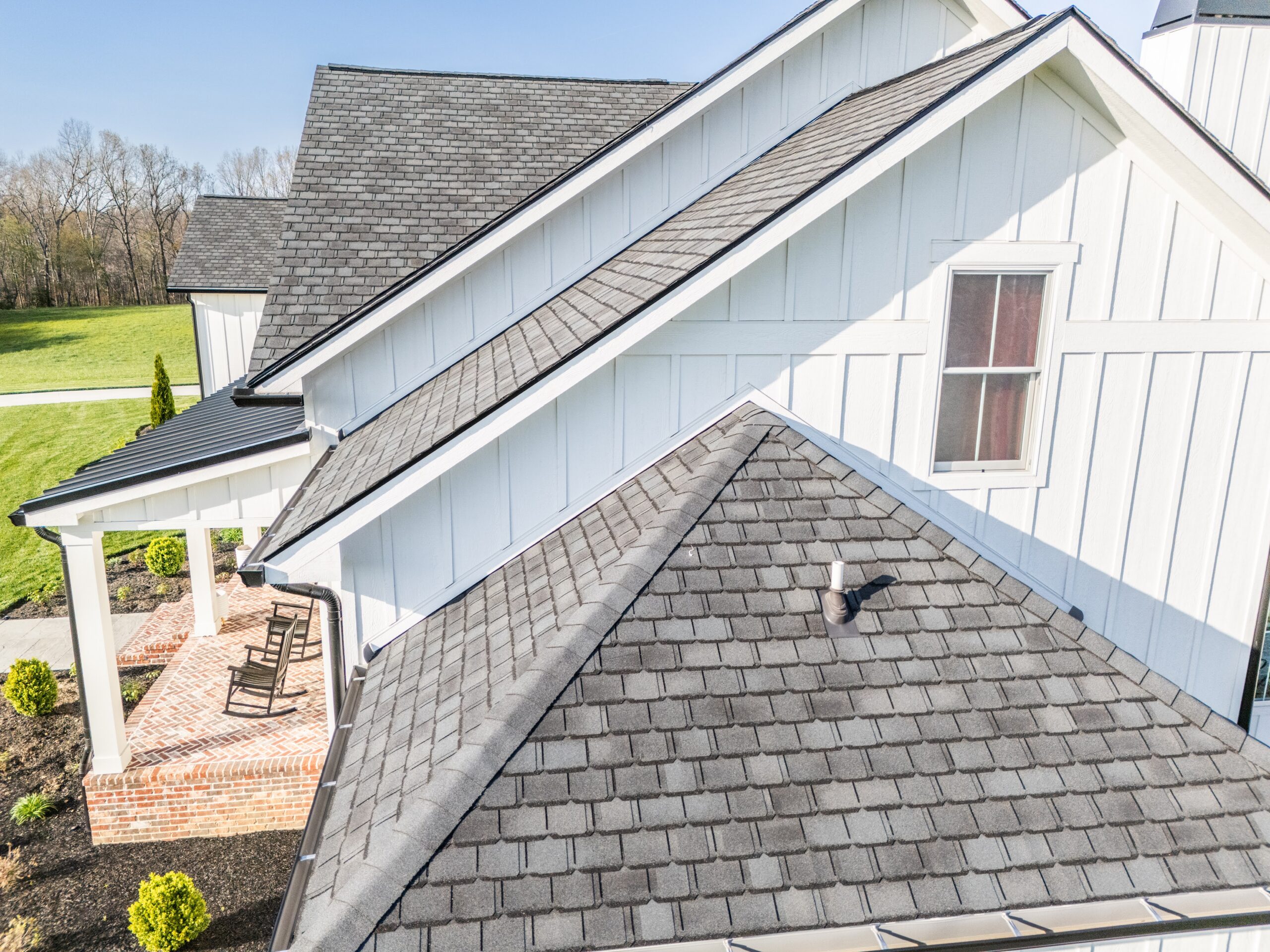
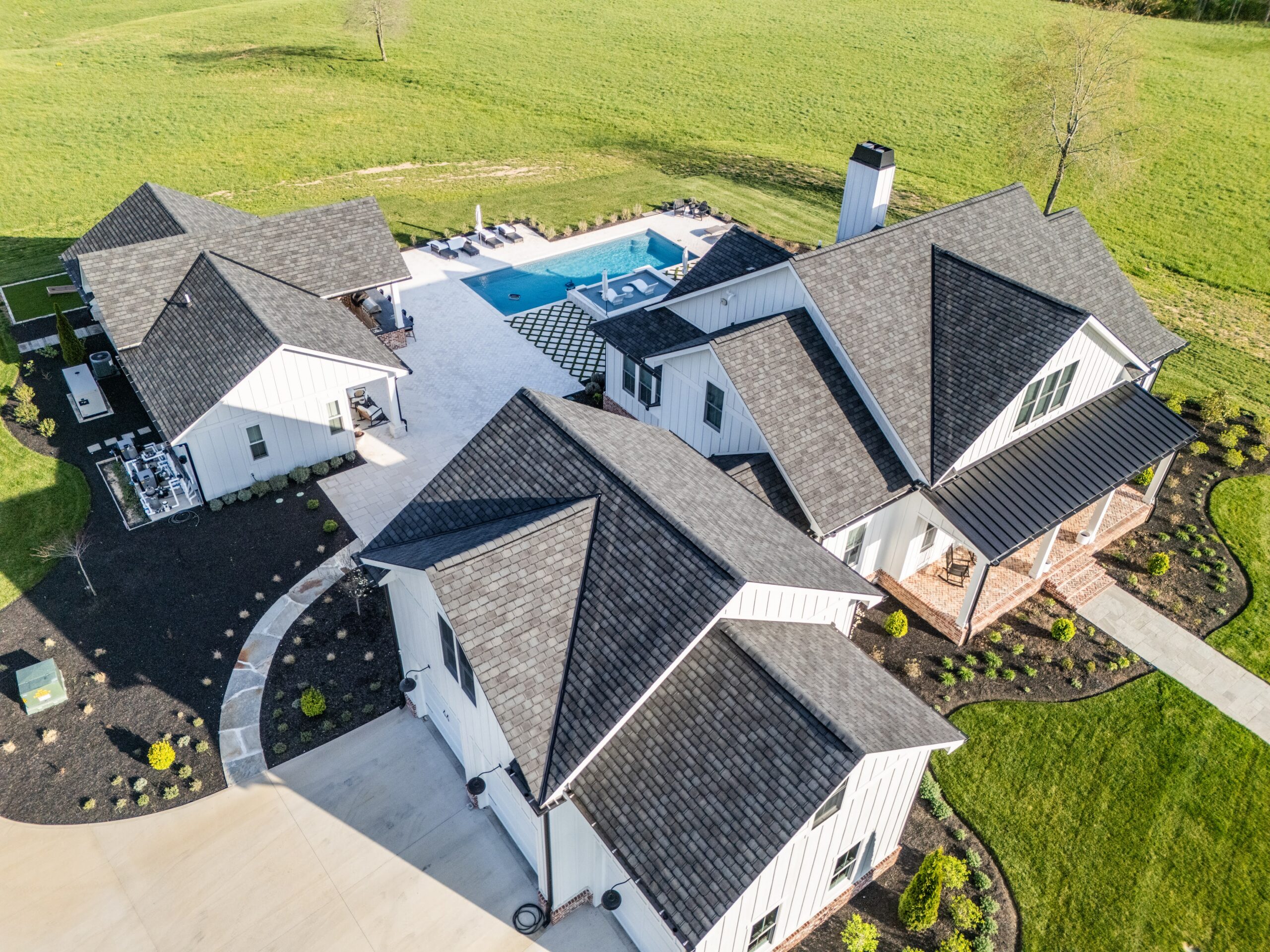
Asphalt shingles are the most popular roofing choice in Tennessee. They offer solid value and come in a wide range of styles and colors. They also perform well across most of the state’s climate zones.
Jeff Woods Construction is GAF and CertainTeed certified. That means we can offer premium warranty coverage on these shingle systems that non-certified contractors cannot provide. Our GAF Roofing Systems Explained blog explains exactly what that certification means for your roof.
Overall lifespan: 40–70 years
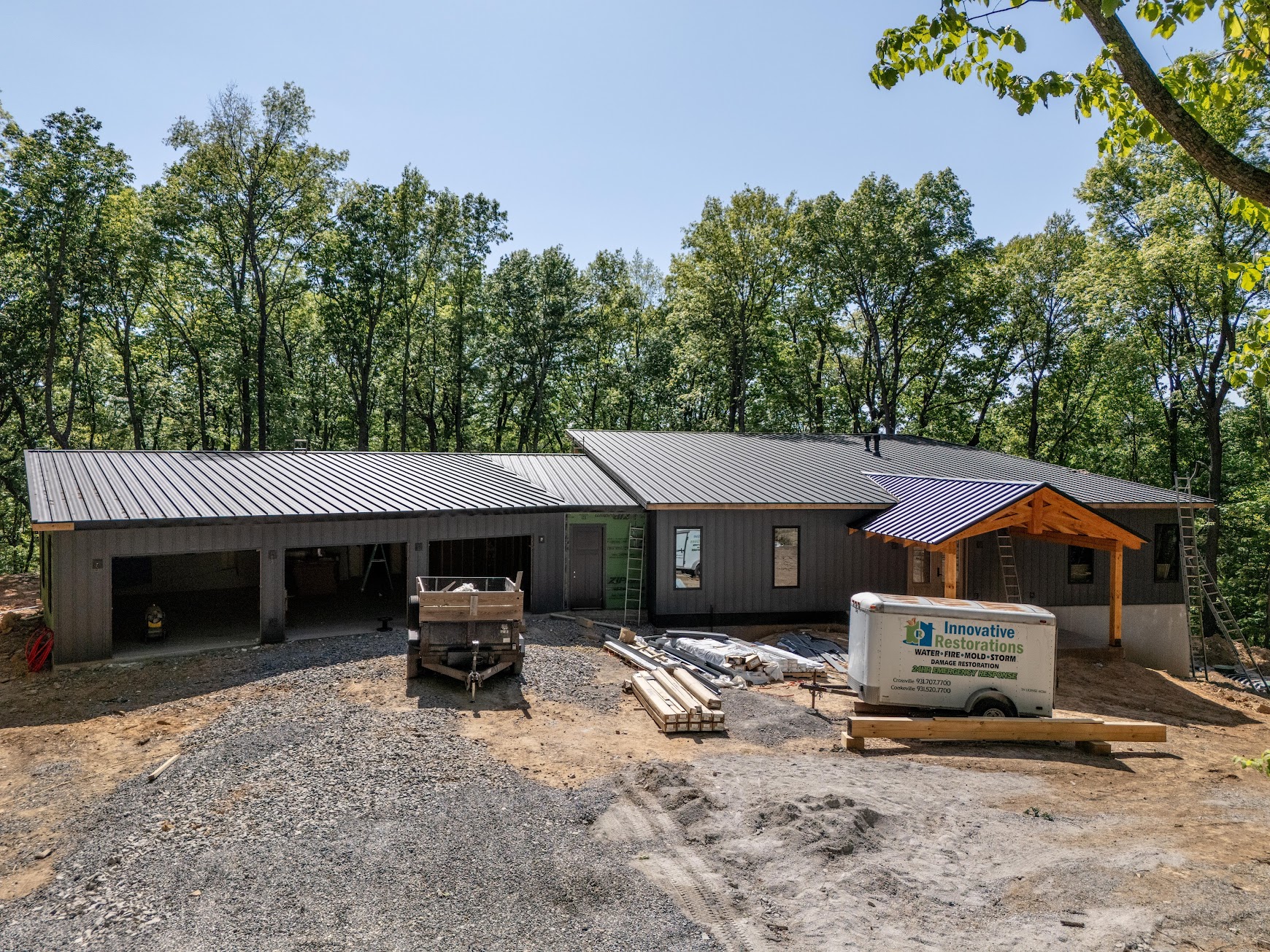
Metal roofing is growing in popularity across Tennessee. It performs especially well in storm-prone areas like Sparta, Jamestown, and the Cumberland Plateau. Our Why a Standing Seam Metal Roof Could Be the Best Investment for Your Home article covers the full case for metal roofing in detail.
Overall lifespan: 50–100 years
Tile roofs are less common in Tennessee. Their weight requires structural reinforcement. But they offer exceptional longevity for properties where the structure can support them.
Overall lifespan: 75–150 years
Slate is the longest-lasting roofing material available. It is rarely used in Tennessee due to cost and structural requirements — but for the right property, it represents a once-in-a-lifetime roofing investment.
Overall lifespan: 20–40 years
Cedar shingles and shakes offer natural beauty. They do require more maintenance in Tennessee’s humid climate than most other materials.
Our Weather Wood Shingles: A Timeless Roofing Choice for Tennessee Homes article covers wood roofing performance in Tennessee’s climate in detail.
Overall lifespan: 25–50 years
Modern synthetic materials replicate the appearance of traditional options with improved performance and lighter weight.
The material you choose is only one part of the equation. Three other factors determine whether your roof reaches its full expected lifespan.
Poor installation can cut a roof’s lifespan in half. This is the single most controllable variable in how long your roof lasts. Our certified installers ensure:
Our Complete Guide to Roof Replacement in Tennessee covers what a quality installation looks like from start to finish.
Maintenance extends roof life significantly. The most important steps are:
Our Roof Maintenance Guide for Tennessee Homes provides a complete seasonal maintenance checklist for every Tennessee homeowner.
Attic ventilation directly affects how long your roof lasts. Poor ventilation traps heat and moisture — accelerating material breakdown from the inside out. Proper ventilation prevents:
Every roof material eventually reaches the end of its service life. Watch for these warning signs regardless of what material you have.
Our How to Know When It’s Time to Replace Your Roof guide walks through each warning sign in detail — including how to tell the difference between a repair situation and a full replacement.
If you are not sure whether repair or replacement is the right call, our Roof Repair or Replacement: How to Make the Right Choice guide walks through that decision clearly.
Tennessee’s geography creates meaningful climate differences across the state. Your location affects which materials perform best and how long they last.
Higher elevation means more temperature extremes and more freeze-thaw cycling per year. Metal roofing and premium asphalt shingles perform best here. Our How Often to Replace a Roof in Crossville, TN post covers plateau-specific lifespan considerations in detail.
Variable weather patterns and active storm seasons favor durable materials. Architectural shingles and metal roofing are the strongest performers in Putnam County.
Urban heat island effects and consistent storm activity make installation quality the most critical factor for any material in the Knoxville area.
Higher wind exposure and severe weather activity benefit from impact-resistant materials rated for strong wind uplift performance.
Most homeowners focus on upfront cost when choosing materials. The more useful calculation is total cost of ownership.
Total Cost of Ownership = Initial Cost + Maintenance + Replacement Frequency
Here is a simple example:
Choosing based on upfront cost alone almost always costs more over the long term. Our Roofing Cost Guide for Tennessee Homes breaks down the full cost picture for every major roofing system.
A standard 3-tab asphalt shingle roof in Tennessee typically lasts 15 to 20 years. Architectural shingles last 20 to 25 years. Premium asphalt shingles last 25 to 30 years. Installation quality and maintenance practices are the primary factors that determine where in those ranges your roof lands.
Yes — Tennessee’s combination of summer heat, high humidity, active storm seasons, and winter freeze-thaw cycling is more demanding than many other regions. Proper material selection and professional installation are especially important here because the climate actively tests every part of your roofing system throughout the year.
Slate roofing lasts 75 to 150 years — but it is rarely practical in Tennessee due to cost and structural requirements. For most Tennessee homes, metal roofing offers the best combination of longevity (40 to 70 years) and practical installation requirements.
Significantly. A poorly installed roof can fail in half the expected time regardless of material quality. Improper flashing, incorrect nailing patterns, and inadequate ventilation are the three most common installation failures that shorten roof lifespan in Tennessee.
Start planning when your roof reaches 75% of its expected lifespan. For a 20-year architectural shingle roof, that means beginning the evaluation process at around 15 years. Waiting until failure occurs eliminates your ability to plan and budget — and often means emergency repairs that cost more than a planned replacement.
Understanding how long roof types last in Tennessee helps you make a smarter investment decision for your home. Whether you are building new or replacing an aging system, the right material and the right contractor determine how long your roof protects your family.
Jeff Woods Construction & Roofing serves homeowners throughout Middle and East Tennessee — including Crossville, Cookeville, Knoxville, Kingston, Loudon, Livingston, Sparta, Jamestown, Clarkrange, Fairfield Glade, and every community in between.
Visit the Jeff Woods Construction & Roofing homepage to learn more about our services and certifications.
📞 Call (931) 787-7715 or click Contact Us for a free roofing inspection and consultation. No pressure. No obligation. Just straight answers from Tennessee’s trusted roofing professionals.
Office: 123 Interchange Drive, Crossville, TN 38571 Hours: Monday–Friday, 7:00 AM – 4:00 PM