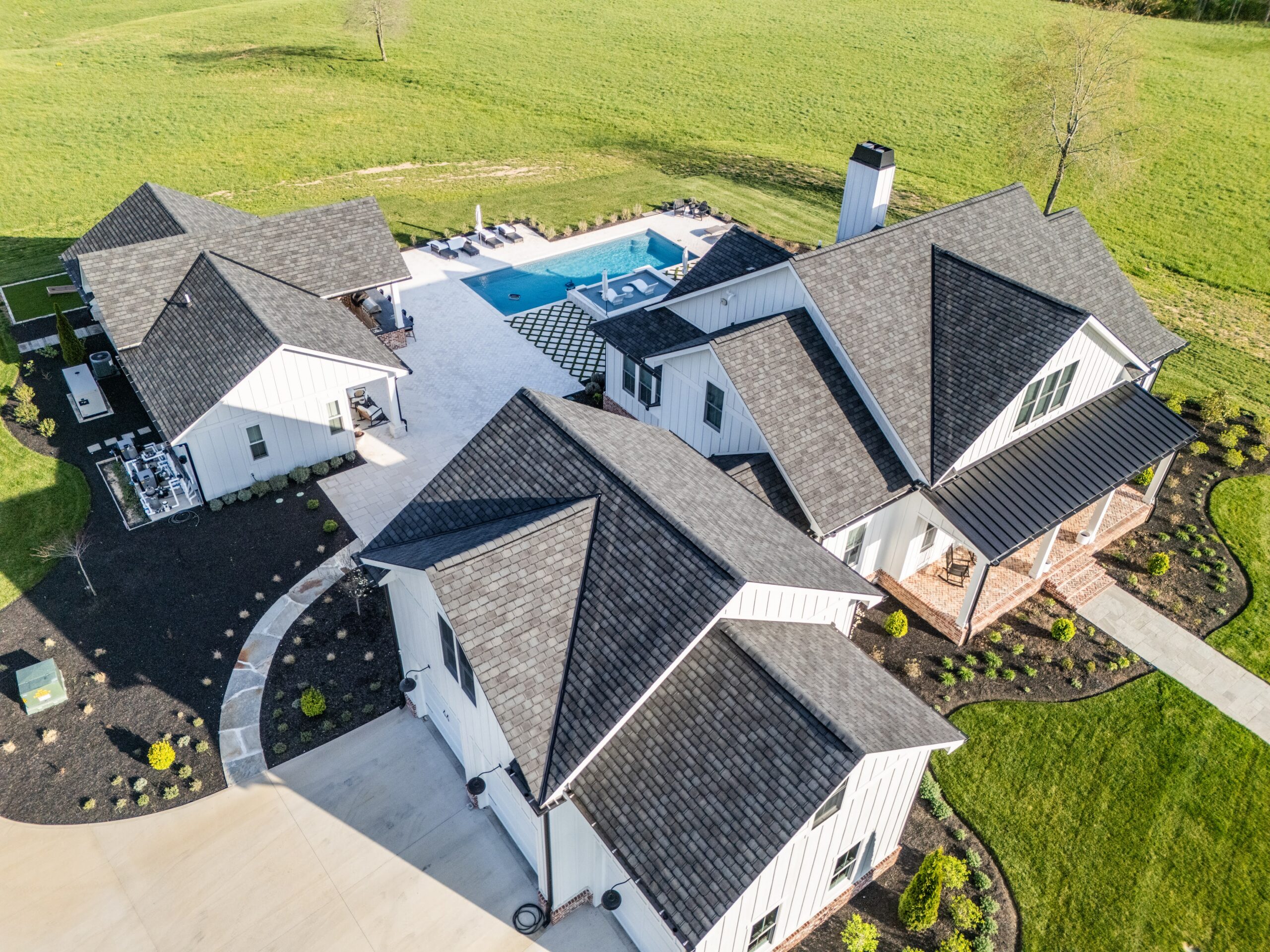
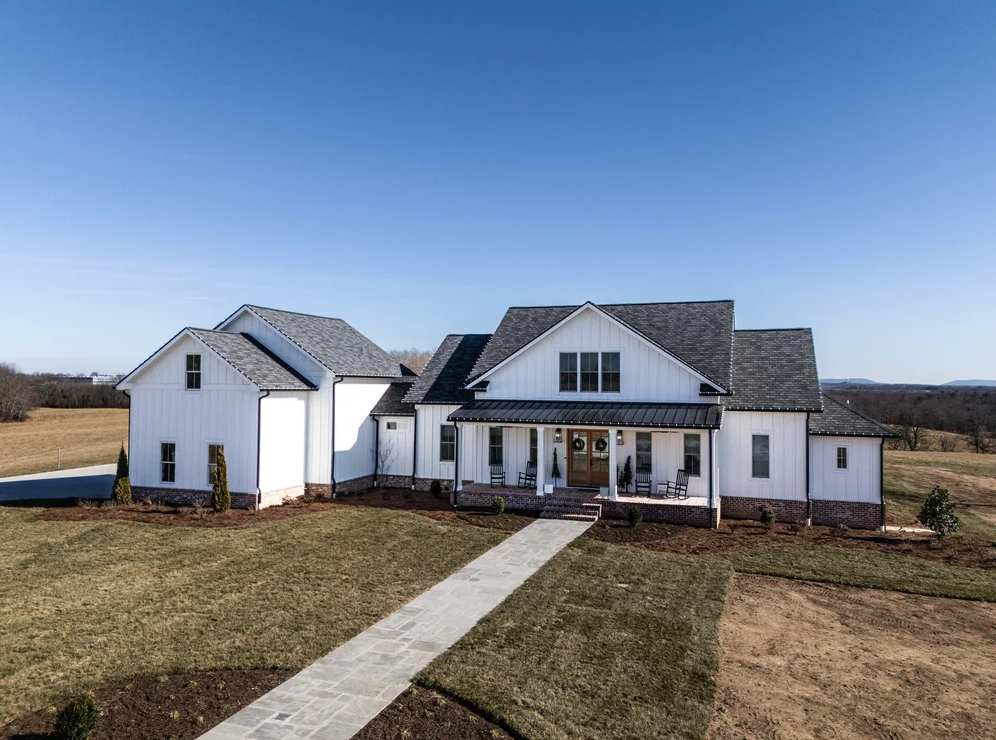
Your roof is one of the most important components of your home. In Tennessee, homes face heavy rain, humidity, strong winds, and seasonal storms that can slowly weaken roofing materials over time. When a roof begins to deteriorate, replacing it becomes essential to protect your home’s structure, prevent water damage, and maintain energy efficiency.
At Jeff Woods Construction & Roofing, homeowners throughout Tennessee trust experienced professionals to inspect, repair, and replace roofing systems built to withstand the region’s climate. Homeowners looking for reliable professional roofing services in Tennessee can benefit from working with experienced contractors who understand the region’s weather challenges and roofing requirements. Understanding when and why roof replacement is necessary can help homeowners make informed decisions before small problems become major structural issues.
This complete guide explains the signs that indicate you may need a new roof, the replacement process, common roofing materials used in Tennessee, and what homeowners should expect during a roofing project.
What Is Roof Replacement?
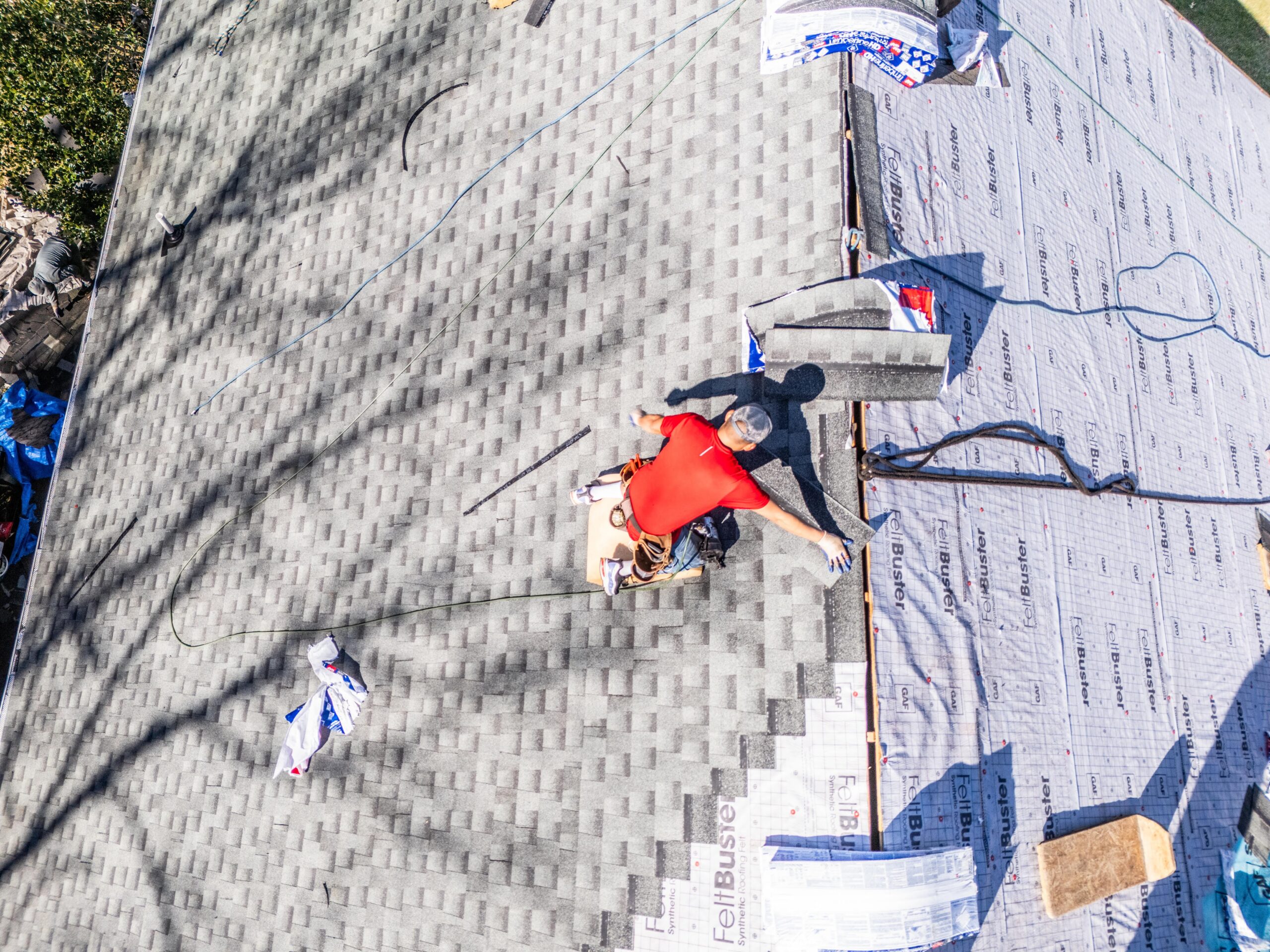
Roof replacement involves removing the existing roofing materials and installing a completely new roofing system. This process ensures that the roof structure is secure, properly sealed, and capable of protecting the home for decades.
A typical roof replacement project includes:
- Removing old shingles or roofing materials
- Inspecting roof decking for damage
- Installing protective underlayment
- Adding flashing and ventilation systems
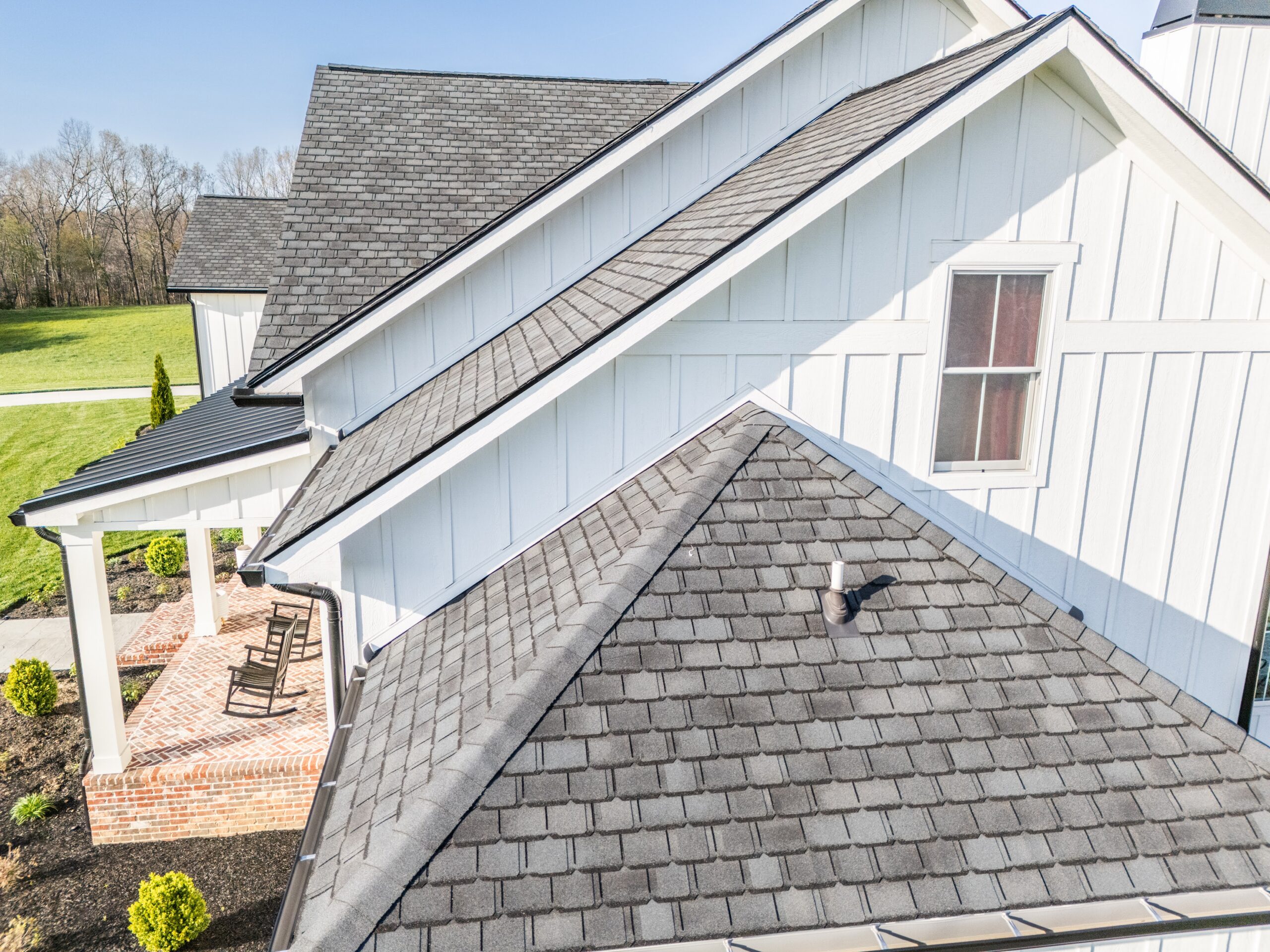
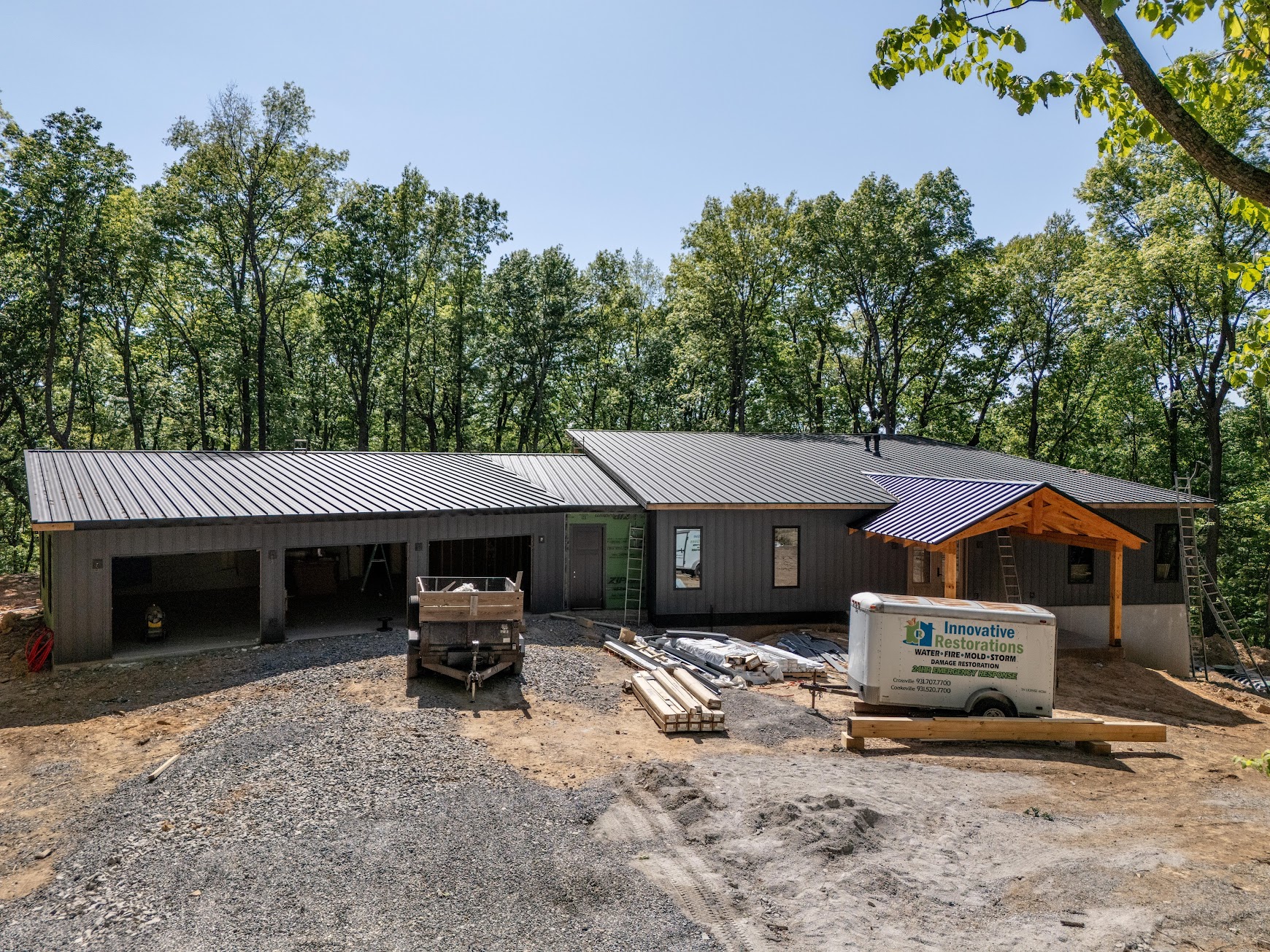
- Installing new shingles or metal roofing panels
Roof replacement is different from repair. Repairs address small isolated problems, while replacement resolves widespread aging or structural damage. If your roof only has minor damage, you may benefit from reading the complete guide to roof repair in Tennessee to understand when repairs may still be an option.
Signs You May Need Roof Replacement
Many homeowners wait too long to replace their roof simply because they are unsure what warning signs to look for. Identifying these signs early can prevent serious damage to the home.
Roof Age Exceeds 20 Years
Most asphalt shingle roofs last around 20–25 years depending on maintenance and weather exposure. As shingles age, they lose flexibility and begin to break down.
Older roofs often develop:
- cracked shingles
- granule loss
- water penetration
Frequent Roof Leaks
Water leaks are one of the most common indicators that a roof may need replacement. While small leaks can sometimes be repaired, recurring leaks usually indicate larger underlying problems.
Leaks can cause:
- mold growth
- damaged insulation
- ceiling stains
- structural wood rot
Homes that experience severe storms may also develop hidden damage. The storm damage roofing guide for Tennessee homeowners explains how storms can impact your roof even when damage is not immediately visible.
Curling or Missing Shingles
When shingles begin to curl, crack, or detach from the roof, they lose their ability to protect against moisture. Strong winds and storms common in Tennessee can accelerate this damage.
Sagging Roof Structure
A sagging roof often indicates structural issues beneath the shingles, such as damaged decking or excessive moisture buildup.
This issue should be addressed immediately because structural deterioration can compromise the safety of the home.
How Long Roofs Last in Tennessee
The lifespan of a roof depends heavily on the materials used and how well the roof is maintained.
Typical roofing lifespans include:
| Roofing Material | Average Lifespan |
|---|
| Asphalt shingles | 20–25 years |
| Architectural shingles | 25–30 years |
| Metal roofing | 40–70 years |
| Slate roofing | 75–100 years |
Choosing the right materials is important for durability. Tennessee’s humid climate and storms require roofing systems designed to withstand moisture and wind. The roofing materials guide: best roof types for Tennessee climate provides a detailed overview of the most reliable options for local homes.
The Roof Replacement Process
Understanding the roof replacement process helps homeowners prepare for the project and know what to expect.
Step 1: Roof Inspection
Professional roofers inspect the entire roofing system to identify structural damage, leaks, and ventilation problems.
Step 2: Removal of Old Roofing Materials
Contractors remove old shingles, flashing, and underlayment to expose the roof decking.
Step 3: Decking Inspection and Repairs
If sections of wood decking are damaged or weakened by moisture, they are replaced before installing new roofing materials.
Step 4: Installing Protective Underlayment
Waterproof underlayment is installed to create an additional barrier against moisture.
Step 5: Installing New Roofing Materials
New shingles, metal panels, or other roofing materials are installed according to manufacturer specifications.
Step 6: Final Inspection
The final inspection ensures the roofing system is properly sealed, ventilated, and installed to industry standards.
Roof Replacement Cost in Tennessee
Roof replacement costs vary depending on several factors including roof size, material selection, and labor.
Typical roof replacement costs in Tennessee range from:
$7,000 to $20,000
Factors affecting price include:
- roof size and complexity
- roofing materials selected
- labor costs
- structural repairs
- ventilation upgrades
Homeowners looking for a deeper breakdown of roofing costs can review the roofing cost guide for Tennessee homes for a full explanation of pricing factors.
Importance of Roof Maintenance After Replacement
Even after installing a new roof, regular maintenance is essential for maximizing its lifespan.
Recommended maintenance includes:
- annual roof inspections
- cleaning gutters and debris
- checking flashing and seals
- addressing small repairs quickly
Following proper maintenance practices can significantly extend roof life. Homeowners can learn more by reviewing the roof maintenance guide for Tennessee homes.
Final Thoughts
Roof replacement is a major investment, but it provides long-term protection for your home and increases property value. Understanding the warning signs, available materials, and replacement process helps homeowners make informed decisions about protecting their homes.
With proper installation and maintenance, a new roof can provide decades of reliable protection against Tennessee’s challenging weather conditions.
Get Professional Roofing Help
If your roof is showing signs of aging, damage, or storm impact, professional guidance can help determine the best solution for your home.
Contact Us today to schedule a roof inspection or consultation with experienced roofing professionals.